Agentic commerce got three Wall Street Journal stories in four days. Two CMO Today pieces on Oct. 2 mapped how retailers are handling AI shopping agents. A CFO Journal piece on Oct. 5 asked Shopify’s CFO what agents are doing for his merchants.
Each one is useful. Read together, they say something more interesting.
Where do retailers stand on AI shopping agents?
All over the map. QVC and HSN let agents buy, and they push their catalogs to OpenAI and Google. GAP decides agent by agent. Tapestry, which owns Coach and Kate Spade, lets agents browse but not check out. Kohl’s blocks agent purchases. Amazon blocks Meta’s new Muse agent, along with agents from OpenAI, Google, Anthropic and Perplexity.
Look at what every one of those policies is about: the last step, and who gets to press buy.
What are retailers protecting?
Being the merchant of record (MoR). That means the name on the receipt, the payment, the return and the customer data. That’s a real asset, and I understand why it’s the first thing a retailer defends.
But look at Tapestry’s policy again. Agents can browse.
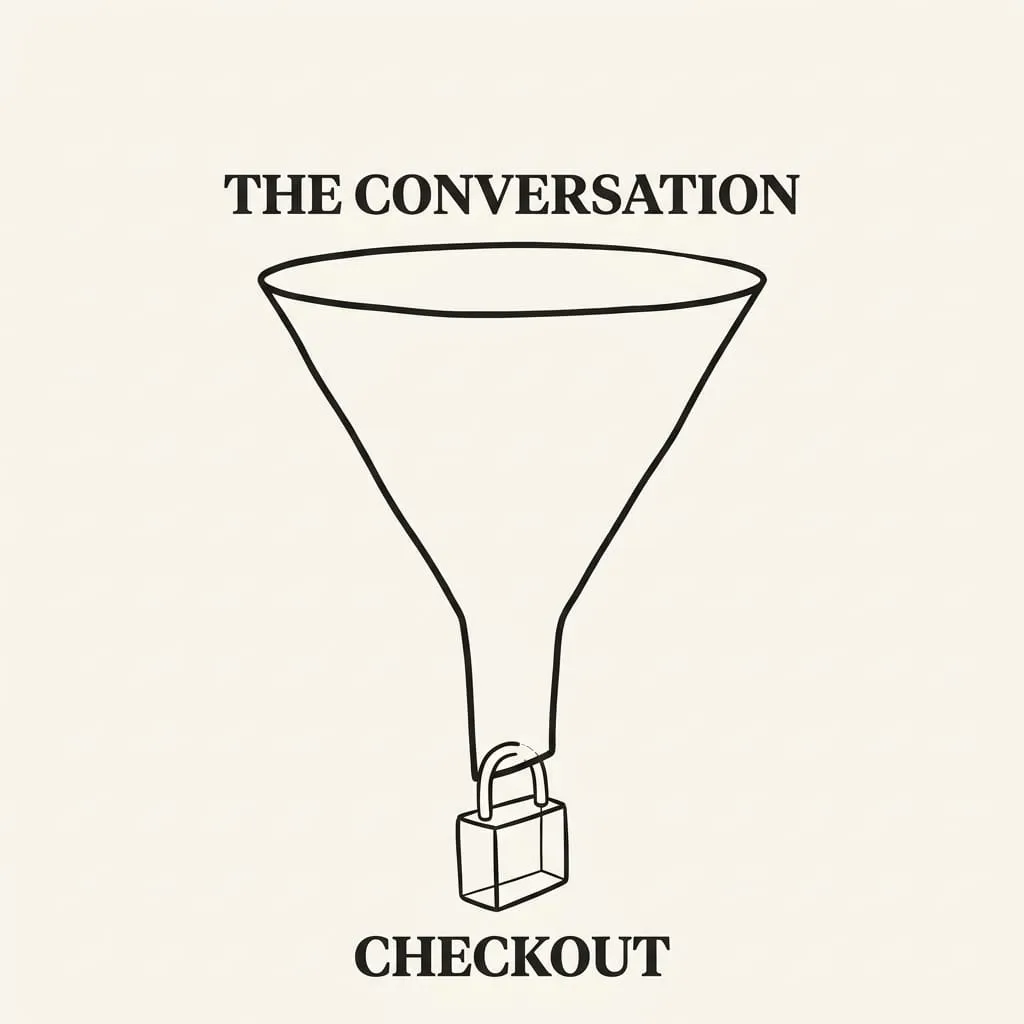
Agents can’t buy. They handed over the conversation and kept the receipt.
The consumer data says that’s the wrong half to guard. An NMI survey found only 3% of U.S. adults would trust an agent to complete a purchase. Tapestry’s own digital chief told the Journal that shoppers are happy to discover products with AI but aren’t ready to hand over a credit card. The checkout fight is over the smallest slice of behavior. The browsing is where the adoption is.
Where is agentic commerce showing up in the numbers?
This is where the Shopify piece matters. CFO Jeff Hoffmeister said spec-heavy goods like electronics and furniture are getting a lift. So are items outside Shopify’s top 100 categories. Merchants are rewriting descriptions to say a suit is breathable, or works for warm weather.
That’s what I’ve been calling Hard-to-Keyword demand. For twenty years we measured shopping demand by what people could squeeze into a search box. “A suit I won’t sweat through at an outdoor wedding in August” rarely made it into the logs as a query. People gave up, asked a friend, or bought the wrong thing.
Long, specific, hard-to-name needs are exactly what a conversational assistant is good at turning into a product. The niche-category lift is what that looks like once it reaches a dashboard.
Why is that a land grab?
At Google Shopping I watched retailers keep the checkout for years while paying rent to whoever owned the query. Owning the transaction never stopped the toll booth from going up upstream.
Agents move the query again. Right now nobody charges for the Hard-to-Keyword conversation. There’s no auction for “help me find something I can’t describe.” AI companies are collecting that intent for free. They’re building the habit and learning which catalogs answer it best.
Free land doesn’t stay free. Once the habit sets, the rent comes.
Blocking checkout doesn’t take you out of that conversation. It just means your products aren’t the answer to it. QVC seems to get this. It’s sending catalogs out before anyone asked.
What could make me wrong?
Two things. The first is substitution. The niche purchases Shopify is seeing might have happened anyway, through a forum, a friend or a flea market. AI may be capturing that demand rather than creating it, and on a dashboard the two look identical.
The second is pace. Hoffmeister expects an inflection but admits, “I just don’t know the pace of the change.” Emarketer’s Sky Canaves told the Journal that people like making their own decisions, especially with money.
I agree with her, and that’s the point. If people want to keep the final decision, the checkout button is the least contested ground in this whole fight. What’s up for grabs is the moment they figured out what they wanted.